
Employer Sponsored Green Card in the USA: A Comprehensive Guide
Dreaming of permanent residency in the U.S.? Learn how an American employer can sponsor your Employer Sponsored Green Card, whether you’re already working here on a visa or living abroad. Understand the process, costs, and crucial steps involved in obtaining an Employer Sponsored Green Card.
Can Your U.S. Employer Sponsor Your Employer Sponsored Green Card?
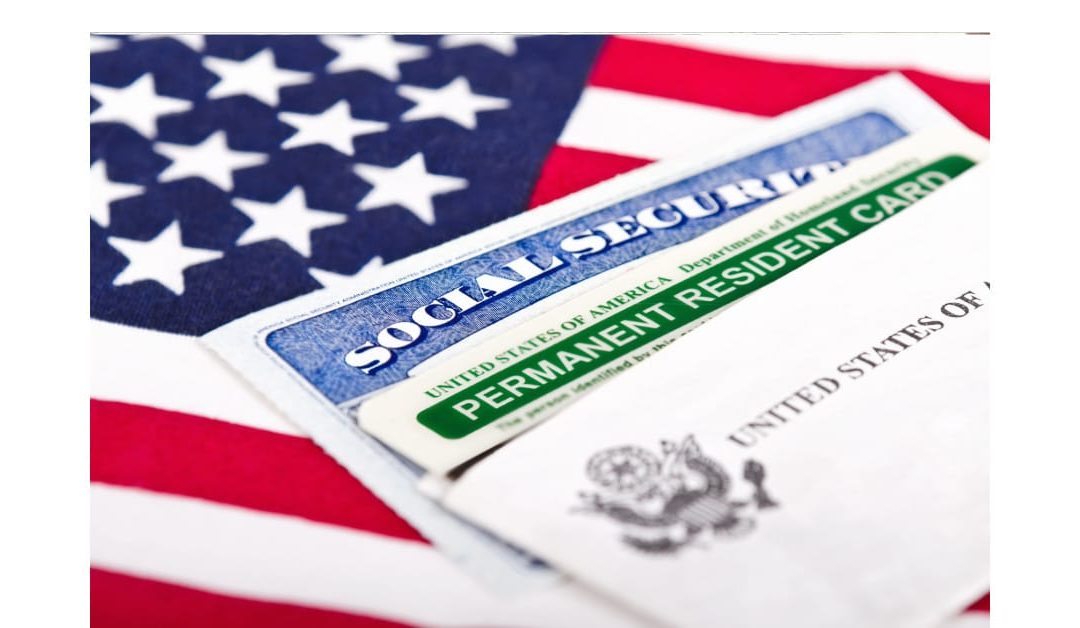
Yes, it’s possible for U.S. employers to sponsor foreign nationals for an Employer Sponsored Green Card (lawful permanent residence).1 This option is available to individuals currently working in the United States on a valid visa or residing in their home country.
Who Covers the Costs of Employer Sponsored Green Card Sponsorship?
Typically, the sponsoring employer is responsible for covering the fees associated with the initial and most substantial stages of the Employer Sponsored Green Card application process. As the employee, you generally won’t have to pay for the first two key steps.
The Four Main Stages of the Employer Sponsored Green Card Process (with PERM Labor Certification):
If your specific situation necessitates a PERM Labor Certification, obtaining an Employer Sponsored Green Card generally involves the following four significant steps. Navigating this intricate process without the guidance of an experienced immigration attorney is strongly discouraged.
Step 1: Initial Assessment and Preparation (Preliminaries)
This crucial first step involves evaluating your eligibility and preparing essential documentation:
- Potential Inadmissibility Issues: Does the foreign worker have any prior arrests or legal matters that could negatively impact the Employer Sponsored Green Card application?
- Document Collection: Can the employee readily obtain documentation of their educational qualifications and professional experience?
- Employer’s Financial Capacity: Can the sponsoring employer demonstrate their ability to pay the required prevailing wage to the foreign worker?
- Wage Compliance: Is the employer willing to pay the prevailing wage as determined by the U.S. Department of Labor (DOL)?
- Job Description Development: Creating a detailed job description that meets the standards and requirements of the Department of Labor.
This preliminary stage is vital for identifying potential issues early on. For instance, if the employee has a felony conviction making them inadmissible to the U.S., proceeding might not be advisable without exploring potential waivers. Similarly, if the employer cannot prove their financial capacity, the immigration petition is likely to be denied later in the process.
Step 2: PERM Labor Certification – Testing the U.S. Labor Market
This critical step requires the employer to conduct a good-faith effort to recruit qualified U.S. workers for the position before offering it to the foreign national. The PERM Labor Certification essentially assesses the U.S. labor market to determine if there are any available, qualified, and willing American workers who can fill the job at the prevailing wage set by the DOL
This process often involves placing recruitment advertisements, including two Sunday advertisements in local newspapers, and posting the job opening with the relevant State Workforce Agency.3 For professional positions, there may be additional specific recruitment requirements. Close collaboration between the employer, the foreign worker, and their immigration attorney is essential throughout the PERM process. (Keywords: Newspaper job ads, State Workforce Agency posting, Professional job recruitment)
Step 3: Filing the Immigrant Petition for Alien Worker (Form I-140)
Once the PERM Labor Certification is approved by the Department of Labor, the employer can proceed to file the Immigrant Petition for Alien Worker (Form I-140) with U.S. Citizenship and Immigration Services (USCIS).4 At this stage, the employer must again provide evidence of their continuous ability to pay the prevailing wage to the sponsored employee. Failure to demonstrate this financial capability can result in the denial of the I-140 petition.5
Step 4: The Green Card Application – Adjustment of Status or Consular Processing
This final stage culminates in the granting of the Employer Sponsored Green Card. The specific procedure depends on whether the foreign worker is currently in the United States:
- Adjustment of Status (Within the U.S.): If the employee is lawfully present in the U.S., they can file Form I-485, Application to Register Permanent Residence or Adjust Status, to become a permanent resident without needing to leave the country. (Keywords: Adjustment of Status US, I-485 application, Green Card while in US)
- Consular Processing (Outside the U.S.): If the employee is residing in their home country, they will undergo Consular Processing through a U.S. embassy or consulate.6 This involves attending interviews and ultimately receiving an immigrant visa, which allows them to enter the U.S. as a permanent resident. During this process, the applicant must remain outside the United States. The processing time can vary depending on their specific visa category and country of origin.
Navigating the Complexity of Employer Sponsored Green Cards
Obtaining an Employer Sponsored Green Card is generally a more complex process compared to other pathways, such as marriage to a U.S. citizen. Maintaining consistent and clear communication with your immigration lawyer is crucial for a smooth and successful journey. If you are already legally working in the U.S., you may typically continue your employment while your Employer Sponsored Green Card application is being processed, provided you maintain your lawful immigration status.
P.S. PERM stands for “Program Electronic Review Management process.”